Photo: Collected
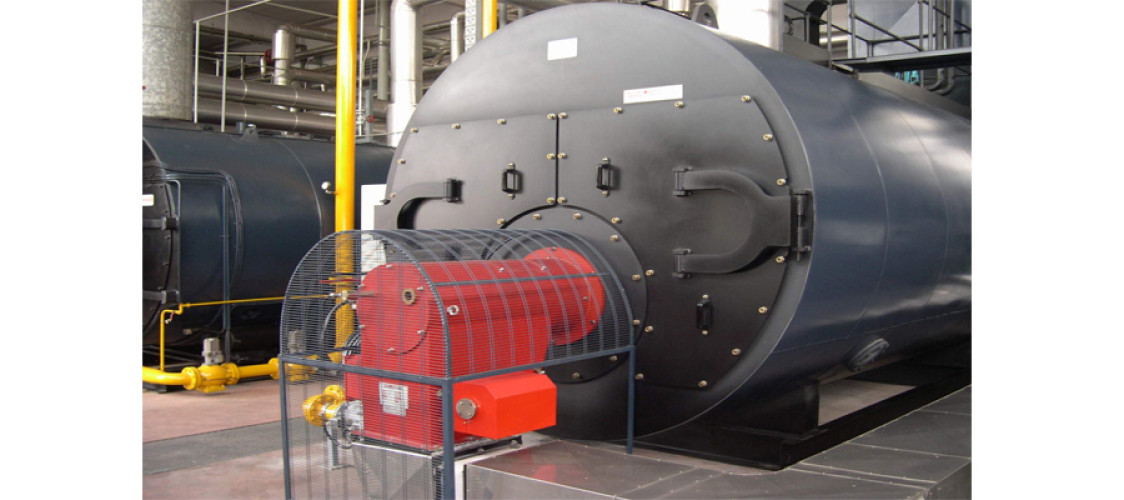
A boiler may be only a few years old, yet still start losing efficiency, requiring more maintenance, or showing signs of wear much earlier than expected. In many cases, the equipment itself is not the problem. The real issue is the water moving through it every day.
Feedwater quality has a direct impact on boiler performance, operating cost, and long-term reliability. Minerals, dissolved solids, and corrosive compounds can all create problems inside the system, even when the boiler is otherwise well designed and properly sized. Because these issues build gradually, many facilities do not focus on water treatment until efficiency drops or a failure forces them to.
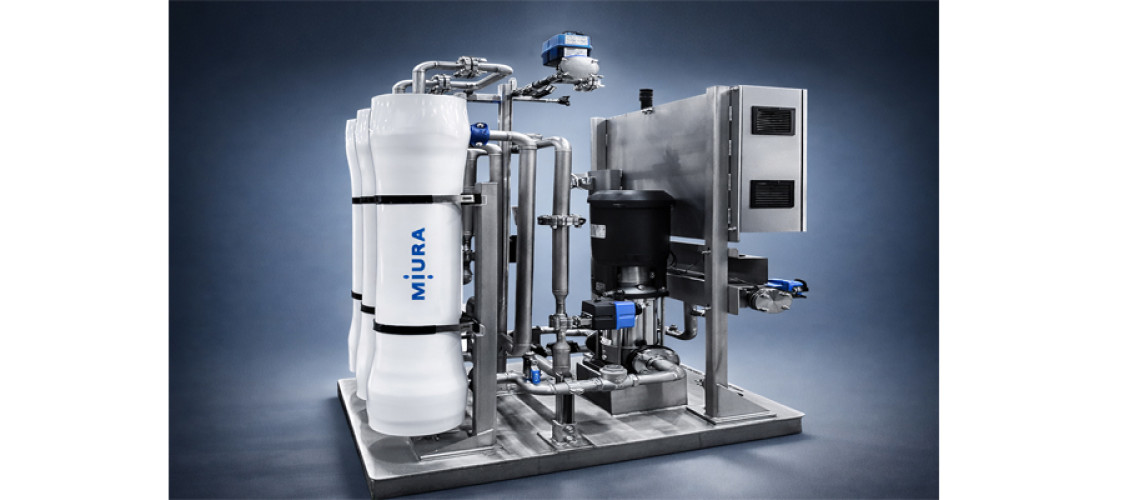
This guide explains what may be in your water, how it affects boiler performance, and how Miura’s layered water treatment approach helps protect your investment.
Why Water Quality Matters More Than You Think
Water is the raw material behind steam production, so its quality affects nearly every aspect of boiler operation. When untreated or poorly treated water enters the system, it can leave behind mineral deposits, carry dissolved contaminants into the boiler, and create the conditions for internal corrosion. Over time, these issues reduce efficiency, increase maintenance costs, and shorten equipment life.
Two of the most common water-related problems are scale and corrosion. Scale forms when hardness minerals such as calcium and magnesium precipitate out of the water and stick to heat transfer surfaces. Corrosion happens when dissolved oxygen, acidic conditions, or certain ions begin attacking the metal itself. Both problems can develop gradually, but the operational impact can be significant.
For facilities that rely on steam for production, sanitation, heating, or sterilization, that risk matters. Water quality does more than affect chemistry readings. It affects fuel consumption, uptime, repair frequency, and the life span of the pressure vessel.
What Scale and Corrosion Do Inside a Boiler
Scale is one of the most common threats to boiler efficiency. When hardness minerals build up on tubes and other heat transfer surfaces, they create an insulating layer between the heat source and the water. That means the boiler has to use more energy to produce the same amount of steam. Even a relatively small amount of scale can reduce heat transfer efficiency enough to increase fuel costs over time.
This issue tends to develop slowly. Operators may first notice rising energy use, more frequent blowdown, or reduced steam performance. The buildup itself may not be obvious right away, but the operating penalty is already there.
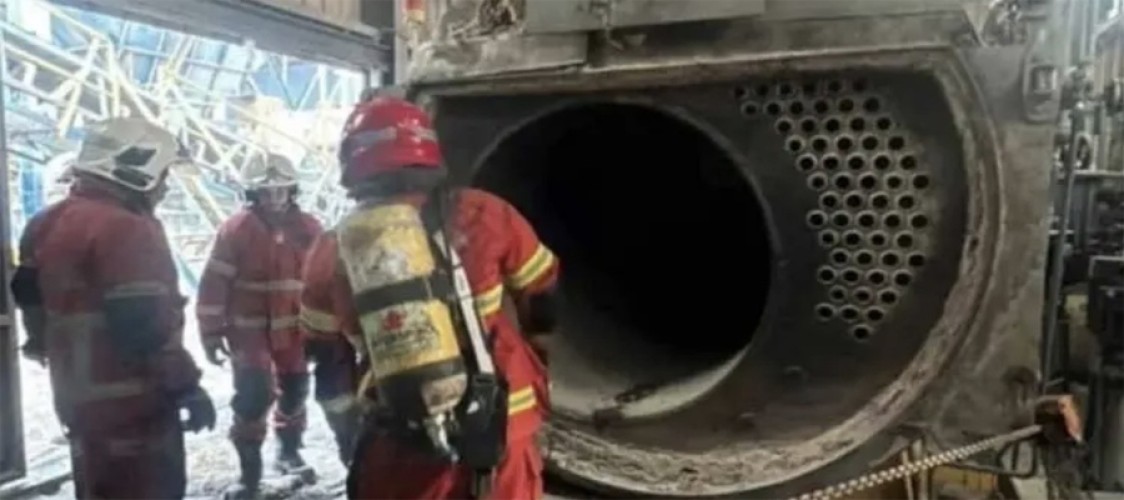
Corrosion creates a different set of problems. Instead of forming a deposit, corrosive conditions gradually break down metal surfaces within the boiler and feedwater system. This process can weaken tubes, damage internal components, and create leaks or structural failures if left unaddressed. Corrosion is especially dangerous because it often remains hidden until the damage becomes serious enough to affect operation.
Together, scale and corrosion can force a boiler to work harder while simultaneously reducing its ability to operate reliably. That combination drives up both fuel and maintenance costs.
Why a Water Softener Alone Isn’t Enough
Water softeners play an important role in boiler protection. They remove hardness minerals that contribute to scale formation, which makes them an essential part of feedwater pretreatment. For many facilities, softening is the first step toward better boiler performance.
However, a water softener does not solve every water quality problem. Softening targets calcium and magnesium, but it does not remove total dissolved solids, silica, chloramines, or many other dissolved contaminants that may still affect boiler operation. Those substances can still contribute to carryover, corrosion, deposit formation, and higher blowdown requirements.
That is why boiler water treatment is most effective when it is designed as a treatment train. In a treatment train, multiple components work together to address different water quality risks before they can harm the boiler. One stage reduces hardness. Another reduces dissolved solids. Another monitors water quality continuously. Another helps protect internal metal surfaces through chemical treatment. This layered approach gives facilities broader protection than a single piece of equipment can provide on its own. See more.
Source: Online/BExpo













Copyright © 2026 LIMRA Exhibitions. All Rights Reserved.
Website Design & Development ♡ MY SOFT IT
 EN
EN
 Chinese
 Turkish
 Indonesian
 German
 French
 Spanish
 Portuguese
 Russian
 Italian